By Galaxy Chauffeurs · Updated 22 November 2026
The short answer
The best wine tasting tips for beginners are simple: eat a good breakfast, taste from light to heavy, take small sips, use the spittoon or tip-out bucket whenever you like, drink water between wines, and ask the staff questions. Nobody expects you to know wine. Plan three cellar doors in a day, not six, and do not drive.
How a cellar door tasting works
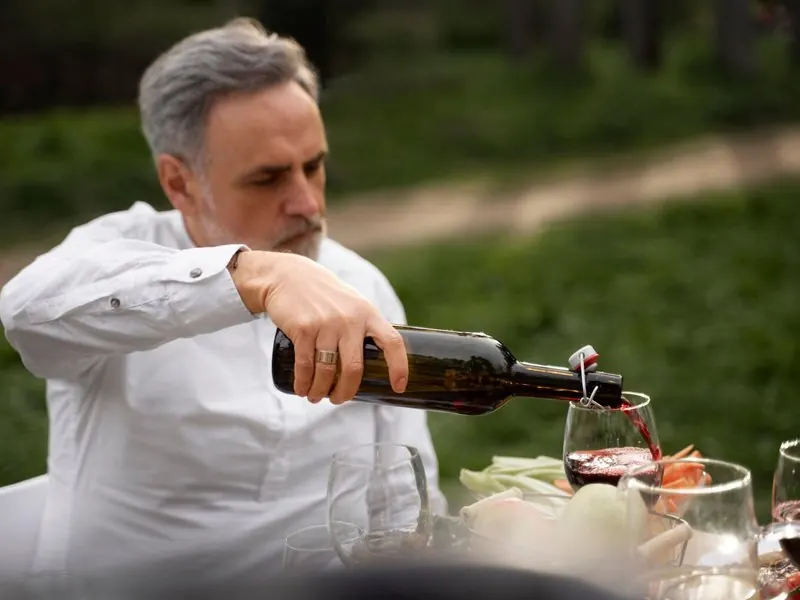
A cellar door is a winery's tasting room. You stand or sit at the bar, and the staff pour a small taste of each wine on the list, usually starting with sparkling and whites and finishing with reds or fortified wines.
A standard tasting is five or six wines and takes 30 to 45 minutes. Many cellar doors now offer seated or guided tastings too, which take longer and often need booking. Most charge a small fee that may be waived if you buy wine; see Barossa wine tasting fees.
The four steps: look, swirl, smell, sip
- Look: tilt the glass against something white. Colour hints at age and grape.
- Swirl: a few gentle circles on the bar lets air in and releases the aromas.
- Smell: take a short sniff. Fruit, flowers, spice, oak? There are no wrong answers.
- Sip: hold the wine in your mouth for a few seconds, then swallow or spit. Notice whether it feels light or heavy, sweet or dry, and how long the flavour lasts.
That is all there is to it. The staff will tell you about each wine as they pour, and you can ask them anything.
Wine tasting tips for beginners: etiquette
Spitting and tipping out are normal
Every cellar door has a spittoon or tip-out bucket. Winemakers spit all day. If you have had enough of a wine, pour the rest out. Nobody will be offended.
You do not have to buy
Buying a bottle you love is a nice thank-you, but it is not expected. If a fee is charged, paying it is enough.
Skip the strong perfume
Strong scents make it hard for you and the people beside you to smell the wine.
Book ahead for groups
Groups of six or more should book, and many cellar doors ask all groups to book on weekends. A private tour handles this for you.
How to pace a day of tastings
A day of wine tasting adds up. Five small tastes at each of three cellar doors is a lot of wine, even in small pours. These habits keep the day enjoyable to the end:
- Eat breakfast before you leave, and book a proper lunch in the middle of the day.
- Drink a glass of water at every stop.
- Use the spittoon for wines you are not sure about.
- Leave the biggest reds and fortifieds for the last stop.
- Plan three cellar doors with lunch. Our one-day Barossa itinerary shows the timing.
Words that help you talk about wine
| Word | What it means |
|---|---|
| Dry | Not sweet. Most table wines are dry. |
| Body | How heavy the wine feels: light like skim milk, full like cream. |
| Tannin | The drying, grippy feeling from red wines, like strong tea. |
| Acidity | Freshness that makes your mouth water. High in Riesling. |
| Finish | How long the flavour stays after you swallow. |
| Vintage | The year the grapes were picked. |
| Cool climate | Grown somewhere cooler, such as the Adelaide Hills: fresher and lighter. |
Getting there and back safely
South Australia's blood alcohol limit for full licence holders is 0.05, and a few tastings can take you over it. Someone in your group has to stay sober, or you need a driver.
With a private chauffeur, everyone can taste, your purchases ride in the boot, and the cellar doors are booked for you. Compare your options in private vs group wine tours.
First-timer checklist
- Eat breakfast and book lunch.
- Wear comfortable shoes; some cellar doors have gravel paths and cellars.
- Bring water and sunscreen in summer.
- Use the spittoon freely.
- Take a photo of the labels you like.
- Leave space in your luggage for bottles, or ask about shipping wine home.
Want this day planned for you?
Our Barossa Valley Private Wine Tour follows a plan like this, with your own chauffeur, hotel pickup and bookings made for you. See how pricing works or ask for a fixed quote.